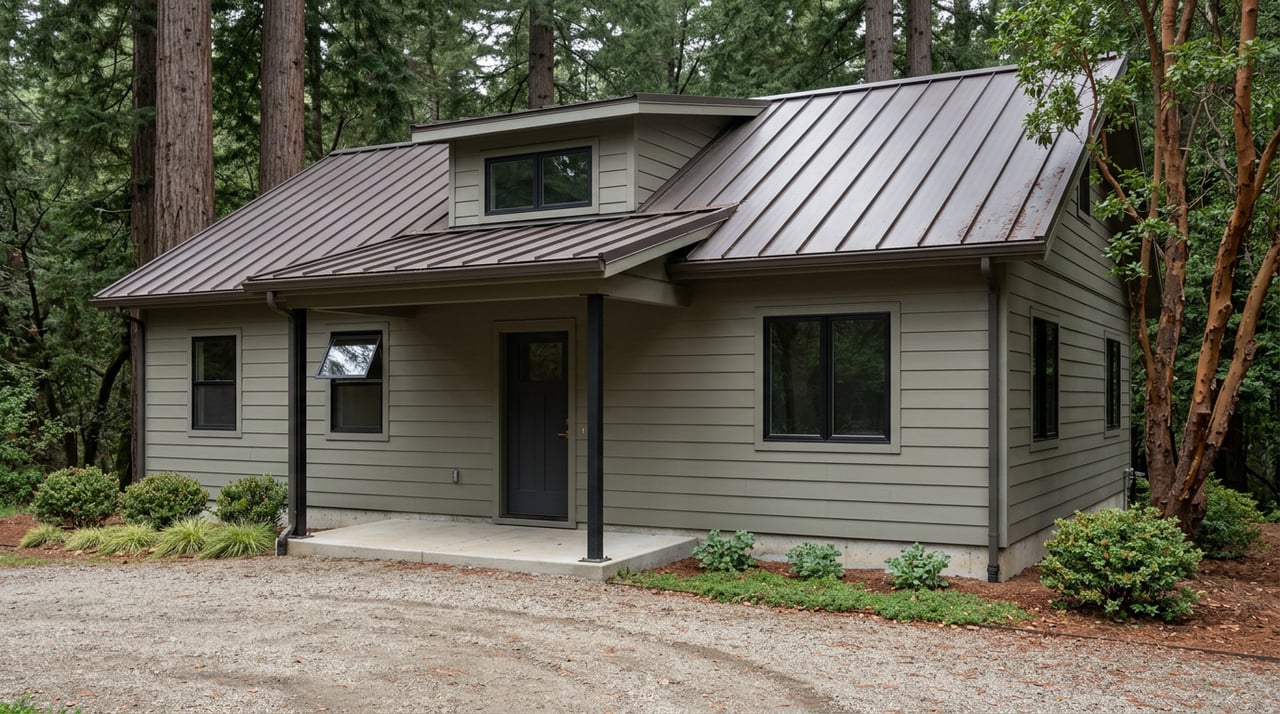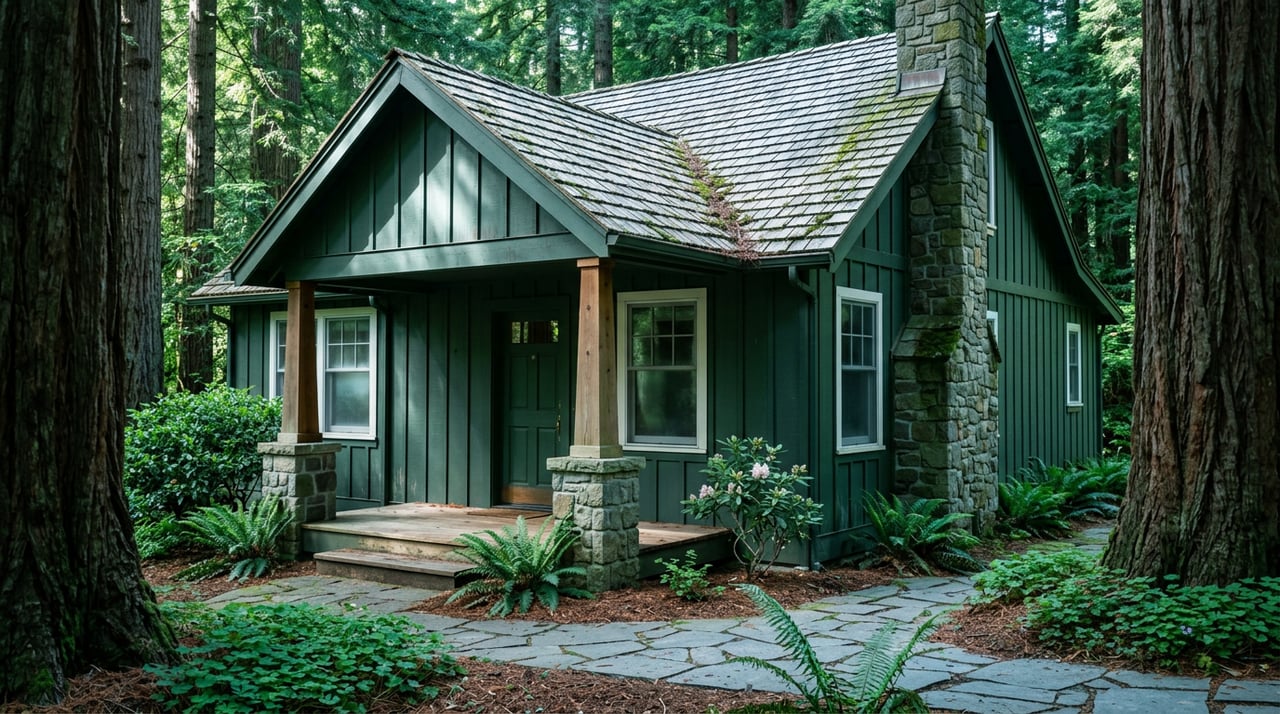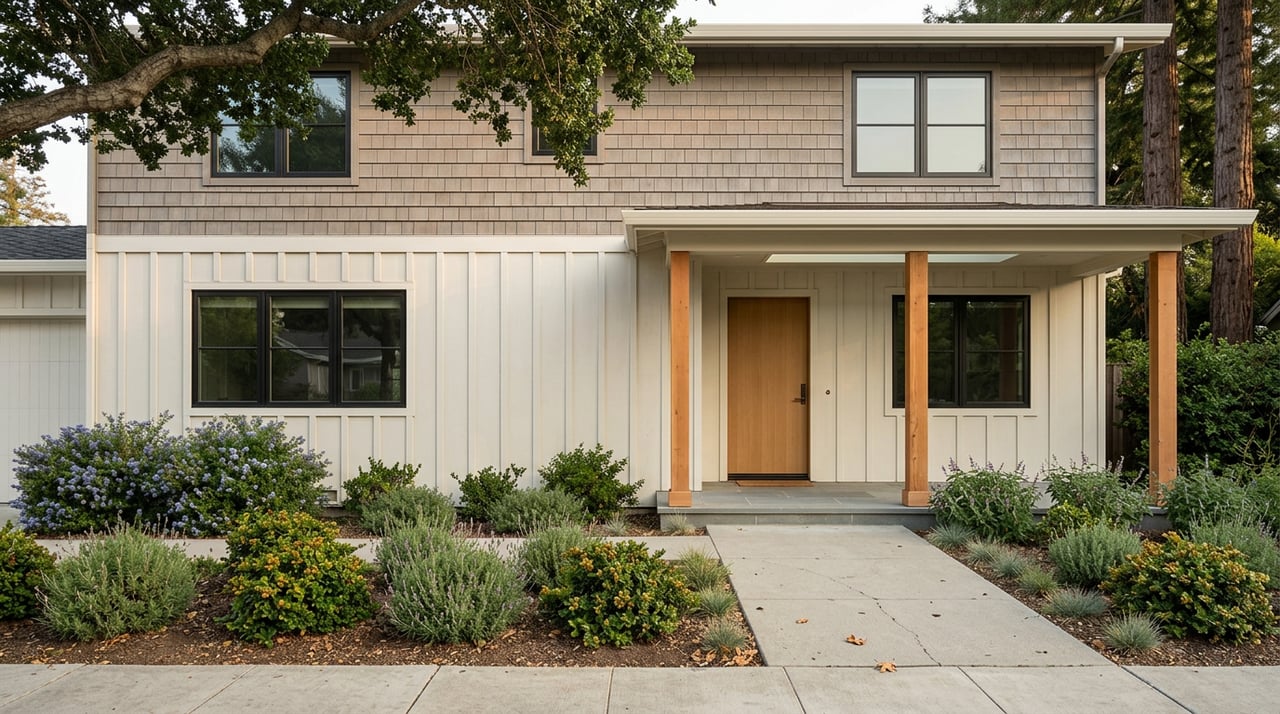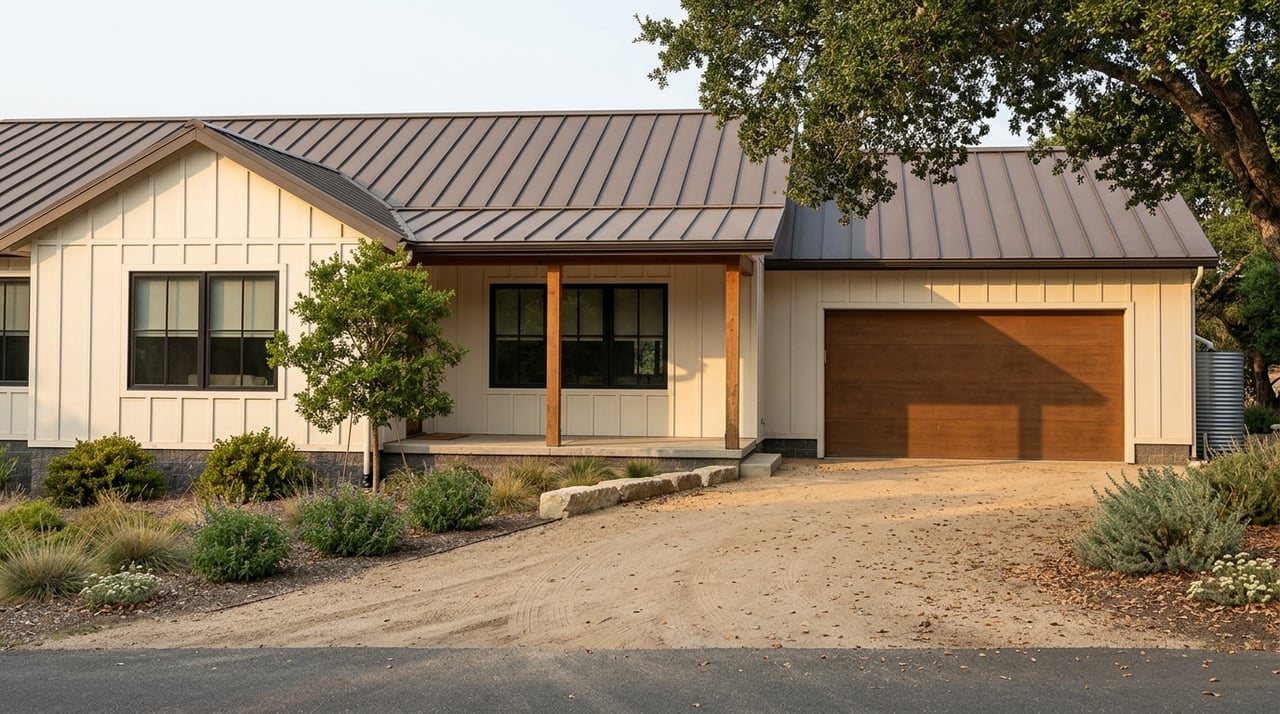
If you are drawn to the idea of more space, more privacy, and room to shape a property around the way you live, North Monterey County can be very appealing. It can also come with more moving parts than a typical in-town purchase, especially when acreage, wells, septic systems, slopes, or outbuildings are involved. This guide will help you understand what country property can look like in Las Lomas, Prunedale, and Royal Oaks, what due diligence matters most, and how to approach your search with clarity. Let’s dive in.
North Monterey County at a glance
North Monterey County includes communities such as Las Lomas, Prunedale, and Royal Oaks within a broader rural geography that also includes places like Castroville, Moss Landing, and Pajaro. Much of this area lies outside incorporated towns, which helps explain why the landscape often feels more open, agricultural, and less uniform than a conventional neighborhood.
County planning documents reflect that rural character. They prioritize open space, agrarian land use, scenic corridors, and conservation of native vegetation. They also note that the Highway 101 and Prunedale corridor has long been a traffic and safety concern, which is worth keeping in mind if your daily routine depends on regular commuting.
What country property can mean here
In North Monterey County, “country property” is not one single product type. A home might sit on a modest one-acre parcel, or it could be part of a larger agricultural setting with barns, equipment sheds, worker housing, or older ranch structures.
Las Lomas offers a useful example of the area’s roots. County records show that in 1938, the Porter Company subdivided 21.5 acres into twenty-one one-acre lots so buyers could build small farms, using FHA financing standards and house plans. Some of those FHA-era houses still remain.
Across the region, you may also see former farmsteads with a main home plus outbuildings, or hillside parcels where the total acreage sounds generous but the usable area is more limited. In practical terms, that means two listings with the same acreage can offer very different day-to-day functionality.
Common features you may encounter
- One-acre or small-acre rural homesites
- Larger agricultural parcels
- Barns, storage buildings, and equipment sheds
- Legacy ranch or farm structures
- Hillside terrain with limited buildable areas
- Older homes from a range of eras, including 1930s to 1950s FHA designs
How the lifestyle differs
Buying in North Monterey County often means trading density for space and a more self-directed way of living. That can be a major advantage if you value privacy, land, views, or room for equestrian or rural pursuits.
It also means your property may need more active oversight. Depending on the site, you may be thinking about drainage, vegetation, access roads, seasonal maintenance, and how different parts of the land perform throughout the year.
The landscape varies more than many buyers expect. North County includes fertile valleys, inland hills, sloughs, and erosion-sensitive areas, so properties only a few miles apart can feel very different underfoot and operate very differently in wet or dry seasons.
Why land usability matters
When you look at acreage, the headline number is only the starting point. What matters just as much is how much of that land is practical for your goals.
A parcel may include steep slopes, sensitive habitat, drainage concerns, or vegetation constraints that affect where improvements can go. County planning for North County also limits residential development to the first single-family dwelling on a legal lot of record and reviews issues such as circulation, wastewater, and water supply constraints.
If you are hoping for space for animals, gardens, outbuildings, or future improvements, it helps to evaluate the site in layers rather than assuming all acreage is equally usable. This is where experienced acreage guidance can make a meaningful difference early in the process.
Water and well questions to ask
Water is one of the most important parts of rural due diligence. In Monterey County, new wells in fractured-rock or hard-rock areas may require discretionary review because of water-quality and overdraft concerns.
The county’s Environmental Health Bureau also reviews water-supply feasibility for subdivision and single-family proposals. County guidance notes that new domestic wells may require source-capacity and water-quality testing, and if a parcel is within the Monterey County Water Resources Agency Groundwater Monitoring Program zone, the well must be registered with MCWRA.
Water due diligence checklist
- Confirm whether the property is served by a well
- Ask for available well records and testing history
- Review whether the parcel falls in an area with added well review requirements
- Verify whether registration with MCWRA applies
- Understand whether future improvements could trigger added water review
Septic can shape your options
For many country properties, onsite wastewater is another major piece of the puzzle. Monterey County regulates septic systems through its Local Agency Management Program for onsite wastewater treatment systems.
For a septic proposal, the county requires an OWTS feasibility report prepared by a qualified professional, soil and percolation testing, an OWTS design prepared by a qualified designer, and a site visit. The county also notes that some sites are not suitable for conventional systems.
This matters whether you are evaluating an unimproved parcel, replacing a system, or simply trying to understand the long-term flexibility of a property. A septic answer is not always a simple yes or no. The design, the soils, and the site conditions can all affect what is possible.
Slopes, flood zones, and vegetation
Country property due diligence should also include a close look at topography and environmental conditions. The North County Area Plan restricts development on certain steep or highly erodible slopes and in some watershed areas.
The plan also encourages preservation of critical habitat as open space when possible and discourages removal of healthy native oak and madrone trees. If a property’s appeal includes mature trees or natural features, that can be a benefit from a lifestyle standpoint, but it may also shape development or site-work decisions.
Floodplain review can also be important. Monterey County’s floodplain rules apply in FEMA Special Flood Hazard Areas and within set distances of rivers and watercourses, and some projects may require a Floodplain Notice, elevation certificate, or no-rise certification.
Fire hazard and access considerations
Fire hazard review should happen early, not late. Monterey County directs property owners and buyers to use the county WebGIS and CAL FIRE viewer to check applicable fire hazard mapping.
CAL FIRE states that properties in State Responsibility Areas or in Very High Fire Hazard Severity Zones in Local Responsibility Areas must comply with defensible-space requirements. On rural property, that can affect how you think about vegetation management, access, and ongoing maintenance.
Access itself is worth careful attention. A long driveway, private road, or steep approach may influence everyday convenience, emergency access, and the practicality of certain improvements.
A smart process for buyers
Because country properties are so site-specific, a disciplined review process is essential. Monterey County provides an official Parcel Report app through its GIS system for searching, mapping, and downloading property information, and county workflows route projects through planning and environmental health review.
Environmental Health advises buyers to speak with a land-use technician before contacting the bureau to determine site-development requirements and zoning. In practice, buyers often benefit from assembling a local team that may include an acreage-savvy broker, a qualified OWTS professional or designer, and a licensed surveyor or civil engineer when boundary, elevation, or floodplain issues could affect the property.
Practical steps before you buy
- Clarify how you want to use the property now and later.
- Look beyond acreage and evaluate usable land.
- Review water, well, and septic information early.
- Check slope, floodplain, vegetation, and fire hazard factors.
- Ask about road access, circulation, and seasonal maintenance.
- Use county parcel and planning tools to verify details.
- Build a local due diligence team before contingencies tighten.
The opportunity in North Monterey County
For the right buyer, North Monterey County offers a compelling mix of open land, rural character, and lifestyle flexibility. You may find anything from a smaller rural homesite to a legacy holding with outbuildings and broader agricultural context.
The key is to match the property to your real life, not just the listing photos or the acre count. When you understand the site, the county framework, and the practical details that shape ownership, you are far more likely to buy with confidence.
If you are considering a country property in North Monterey County and want careful, experienced guidance on acreage, usability, and the details that matter, Kathleen Manning offers thoughtful, white-glove support throughout the process.
FAQs
What types of country properties are common in North Monterey County?
- In areas like Las Lomas, Prunedale, and Royal Oaks, you may find one-acre rural homes, larger agricultural parcels, former farmsteads, hillside acreage, and properties with outbuildings such as barns, sheds, or storage structures.
What should buyers review first on a North Monterey County acreage property?
- Start with land usability, water source, septic status, access, slope, floodplain factors, and fire hazard mapping so you can understand how the property functions in real life.
How does Monterey County review wells on rural properties?
- The county requires added review for new wells in some fractured-rock or hard-rock areas, and new domestic wells may require source-capacity and water-quality testing. Some wells must also be registered with MCWRA if the parcel is in the applicable monitoring zone.
What does Monterey County require for septic evaluation?
- For a septic proposal, the county requires an OWTS feasibility report, soil and percolation testing, an OWTS design by a qualified designer, and a site visit, and it notes that some sites are not suitable for conventional systems.
Why can two North Monterey County properties with similar acreage feel so different?
- Terrain, drainage, vegetation, erosion sensitivity, and development constraints can vary widely across North County, so equal acreage does not always mean equal usability or flexibility.
What local tools help when researching country property in Monterey County?
- Monterey County’s official GIS Parcel Report app, planning review resources, Environmental Health guidance, floodplain information, and county fire hazard mapping tools can all help you evaluate a property more thoroughly.