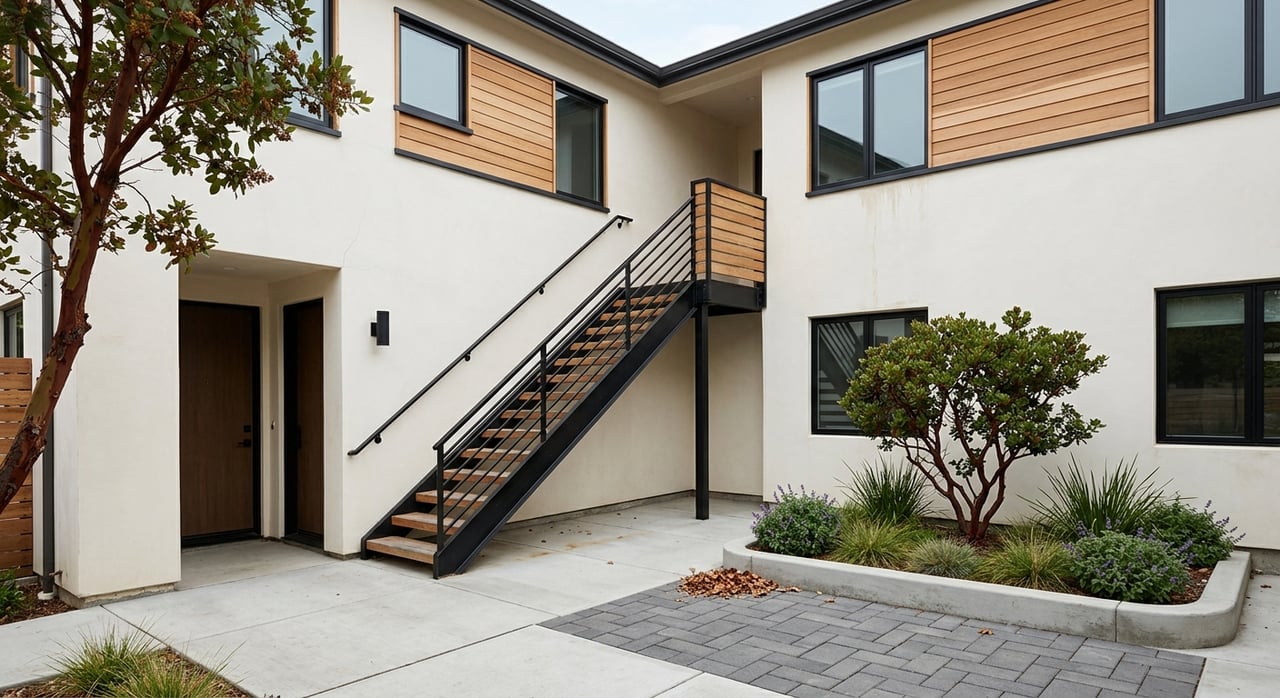
If you are drawn to Eastside Santa Cruz, chances are you are not just shopping for square footage. You are buying into a coastal routine shaped by beach access, harbor activity, walking and biking routes, and the everyday realities that come with living near the water. That mix can be exciting, but it also means condo and townhome buyers need to look beyond finishes and floor plans.
This guide will help you understand how attached-home ownership works in 95062, what to watch for in HOA documents, and which Eastside tradeoffs matter most before you buy. If you want to make a confident decision with fewer surprises later, this is where to start. Let’s dive in.
Why Eastside Santa Cruz Appeals
Eastside Santa Cruz, including the Pleasure Point and Harbor corridor, offers a coastal lifestyle that draws buyers who want easy access to surf, the shoreline, and neighborhood-scale living. County planning materials describe Pleasure Point as an area with a strong community identity, while the East Cliff Drive County Parkway is managed for coastal access, surfing, and walking and biking.
The Santa Cruz Harbor adds another layer of appeal. It serves as a regional boating resource with slips, boatyard services, and marine-related uses, which helps shape the character of this part of 95062. For many buyers, that means an attached home here can offer a very different lifestyle than a condo in an inland setting.
It is also important to understand that a Santa Cruz mailing address does not always mean the property is within Santa Cruz city limits. The City of Santa Cruz notes that areas such as Live Oak and Aptos can have Santa Cruz addresses while remaining in unincorporated county territory. That distinction can matter when you are reviewing local rules, services, and planning context.
Condo vs. Townhome in California
One of the biggest points of confusion for buyers is the difference between a condo and a townhome. In California, a condominium is a legal form of ownership, while townhome usually describes a building style, not a legal category.
The California Department of Real Estate explains that townhome-style homes are often attached, multi-story residences, but the same type of building can be structured as either a condominium or a planned development. In practical terms, that means two homes that look similar from the street can come with very different ownership rights and maintenance responsibilities.
This is why you should focus less on the label and more on the legal structure. When you buy in a common interest development, membership in the homeowners association is automatic, and you are generally required to follow the rules and pay regular fees and assessments.
Why the Legal Structure Matters
For Eastside buyers, the real question is this: what exactly do you own, and what does the HOA maintain? Under California law, unless the governing documents say otherwise, the association is generally responsible for repairing, replacing, and maintaining the common area, while you are responsible for your separate interest and sometimes certain exclusive-use common areas tied to your unit.
That division matters a great deal in a coastal setting. Exterior walls, roofs, decks, balconies, stairs, railings, siding, and waterproofing systems may not all fall into the same maintenance bucket. Before you move forward, ask for clear answers about who handles which surfaces and systems.
Eastside Ownership Tradeoffs to Expect
Attached-home living on the Eastside often comes with meaningful benefits, but also real constraints. City and county planning materials make it clear that parking, access, and coastal exposure are part of the ownership equation here.
The city’s Local Coastal Program notes that demand in the Seabright and Twin Lakes Beach area exceeds available parking in the immediate area. East Cliff Drive Parkway materials also note limited parking along the road. If a property seems ideal but offers tight resident parking or frequent visitor challenges, that should be part of your decision, not an afterthought.
Coastal exposure is another major factor. Bluff work and sea-level-rise planning in the area have focused on erosion, drainage, extreme weather, road stability, utility protection, and public access. You do not need to assume every property is at equal risk, but you should treat exterior condition and site exposure as core due diligence items.
What to Review in HOA Documents
California requires extensive disclosures for condo and townhome sales, and these documents can tell you a great deal about the health of the community. Civil Code section 4525 requires the seller to provide governing documents, current assessment information, notices of unresolved violations, rental and leasing restrictions, approved but not yet due assessment changes, and other key materials.
You can also request board minutes and the most recent inspection report required by section 5551. Under Civil Code section 4530, the association generally has 10 days to provide requested documents, and records can be delivered electronically if they are kept that way.
When reviewing the package, pay close attention to:
- Monthly HOA dues
- Any special assessments
- Approved assessment increases not yet due
- Rules on rentals and leasing
- Unresolved violation notices
- Recent board minutes
- The most recent section 5551 inspection report
These records often reveal whether a community is staying ahead of maintenance or reacting late to problems.
Reserves, Inspections, and Coastal Wear
Reserve strength matters in any attached-home purchase, but it is especially important near the coast. Civil Code section 5300 requires the annual budget report to include the operating budget, reserve summary, reserve funding plan, and whether special assessments may be needed.
California also requires ongoing inspection of building components that matter to attached-home buyers. Section 5550 requires a reserve-study inspection at least every three years, and section 5551 requires inspection of exterior elevated elements and related waterproofing systems, with repeat inspections every nine years.
That means you should not rely on general statements like “the HOA takes care of everything.” Instead, ask for the actual reports and repair history, especially for decks, balconies, stairs, railings, and waterproofing. In a coastal environment, deferred maintenance in these areas can become expensive.
Insurance Questions Buyers Should Ask
Insurance is another area where Eastside condo and townhome buyers need clarity. The California Department of Insurance notes that an HOA may insure common areas and exterior structures, but that does not mean every risk is fully covered.
For example, earthquake damage to common areas may not be covered under the HOA’s policy, and owners may still be responsible for shared repair costs or deductible assessments. The department also notes that California Earthquake Authority condo policies can provide up to $100,000 for a unit owner’s share of certain earthquake-related assessments.
As you review disclosures, ask for the insurance summary and then ask whether you can review the full policies. State law specifically notes that the insurance summary is not a substitute for the full policy language.
Eastside Tour Checklist for Buyers
When you tour condos and townhome-style homes in 95062, it helps to go in with a sharper checklist than you might use elsewhere. A stylish interior can be updated later, but parking limitations, exterior exposure, and maintenance burdens are harder to change.
Use this quick tour checklist:
- Count resident and guest parking, not just advertised spaces
- Ask whether the area has permit parking pressures nearby
- Check decks, balconies, stairs, and railings for visible wear
- Look for signs of drainage issues or water intrusion
- Ask what the HOA maintains versus what owners maintain
- Request the latest section 5551 inspection report
- Review any documented waterproofing or exterior repair history
- Ask about current dues, reserve funding, and planned assessments
- Confirm rental or leasing restrictions if flexibility matters to you
This kind of review can help you compare properties more clearly, especially when inventory is limited.
When to Broaden Your Search Nearby
If Eastside inventory feels tight, parking is too limited, or HOA terms are not a fit, it may make sense to widen your search to nearby coastal communities. The research examples show similar attached-home options in Capitola and Aptos, including condo and townhome-style properties with coastal access and, in some cases, different parking setups.
That does not mean one area is automatically better than another. It means the broader coastal market can offer different tradeoffs in pricing, HOA structure, and day-to-day convenience while still keeping you close to the beach.
A focused comparison across Eastside Santa Cruz, Capitola, and Aptos can help you decide what matters most. For some buyers, that is walkability to surf access. For others, it is easier parking, a different HOA setup, or a building with a stronger maintenance record.
How to Buy More Confidently in 95062
A smart Eastside condo or townhome purchase starts with matching the lifestyle to the legal and physical realities of the property. You are not just choosing a location. You are also choosing an HOA structure, a maintenance framework, and a level of exposure to parking constraints and coastal conditions.
The good news is that with the right review process, these homes can be evaluated clearly. When you look closely at ownership structure, reserves, inspections, insurance, and exterior maintenance history, you put yourself in a much stronger position to buy with confidence.
If you are considering a condo or townhome in Eastside Santa Cruz, thoughtful due diligence makes all the difference. For tailored guidance across Santa Cruz County’s coastal communities, connect with Kathleen Manning.
FAQs
What should buyers know about Eastside Santa Cruz condo parking?
- Parking is a key ownership consideration in Eastside Santa Cruz because city and coastal planning materials note limited parking in some areas and demand that can exceed available spaces near popular beach zones.
What is the difference between a condo and a townhome in California?
- In California, condo refers to a legal ownership form, while townhome usually refers to the physical style of an attached multi-story home, which can be structured under different legal ownership models.
What HOA documents should Santa Cruz condo buyers review?
- Buyers should review governing documents, assessment information, reserve and budget materials, rental restrictions, board minutes if requested, unresolved violation notices, and the most recent section 5551 inspection report.
Why do section 5551 inspections matter for coastal attached homes?
- Section 5551 inspections matter because they address exterior elevated elements and related waterproofing systems, which are especially important in coastal environments where exposure and deferred maintenance can create larger repair risks.
Can Eastside Santa Cruz condo owners face extra insurance costs?
- Yes, owners may still face shared costs or deductible assessments for certain losses, and HOA insurance may not fully cover every risk affecting common areas or exterior structures.