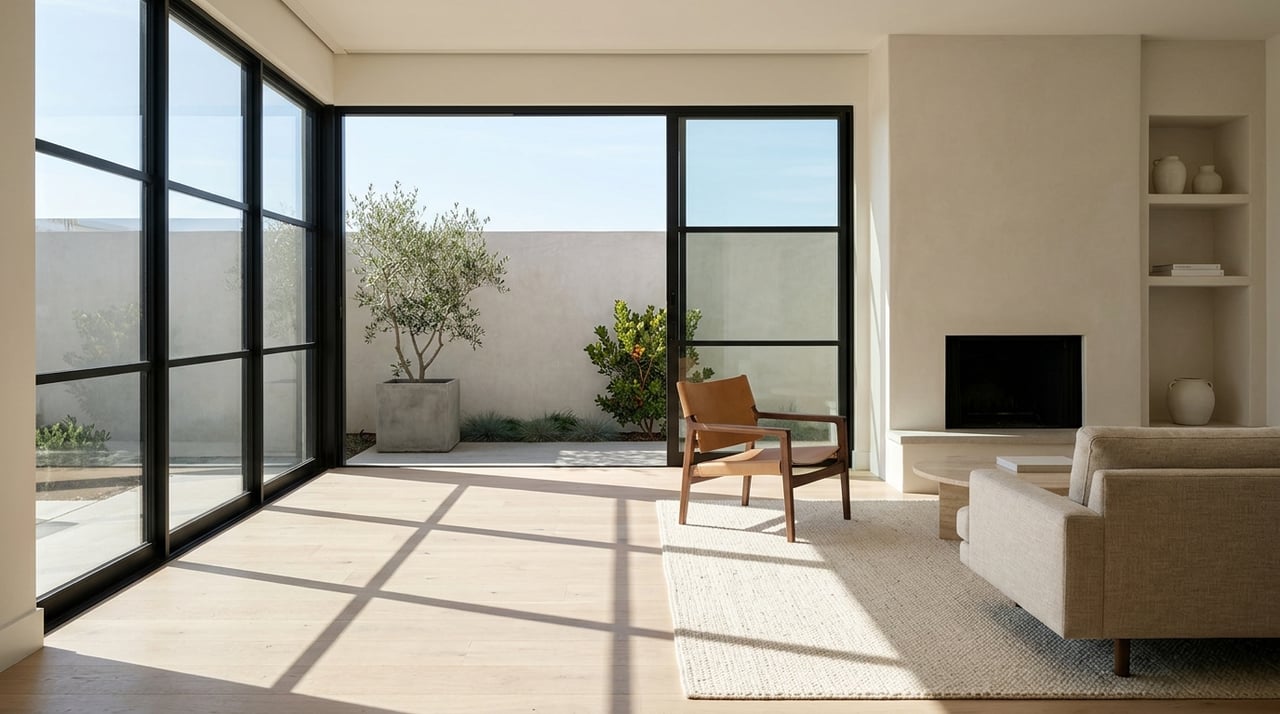
If you are selling a home on Santa Cruz’s Westside, you are not just selling bedrooms and bathrooms. You are selling a way of living that blends the coast, outdoor access, and everyday ease. That can be a major advantage, but it also means buyers will look closely at condition, presentation, and price. In this guide, you’ll learn how to position your Westside home thoughtfully, prepare it with confidence, and bring it to market with a strategy that fits today’s local conditions. Let’s dive in.
Why Westside draws buyer attention
Westside has a lifestyle appeal that is easy for buyers to feel the moment they arrive. The City of Santa Cruz describes West Cliff as a 2.5-mile wheelchair-accessible multi-use coastal pathway, stretching from near the Boardwalk and Wharf to Natural Bridges State Park. Natural Bridges is known for its sea arch, tide pools, and monarch butterflies, which helps explain why outdoor living matters so much here.
Buyers also respond to the area’s everyday mobility. Redfin rates Westside as somewhat walkable and very bikeable, which supports the kind of coastal lifestyle many buyers hope to find in Santa Cruz. In practical terms, that means your home is often being judged not only by its square footage, but by how well it connects to the surrounding experience.
Westside homes vary more than buyers expect
One of the most important things to understand about selling on the Westside is that the housing stock is mixed. NeighborhoodScout describes the area as a blend of small- to medium-sized single-family homes and apartment complexes, with many homes built between 1970 and 1999, plus a meaningful share from 1940 to 1969. That variety means buyers tend to compare homes very carefully.
Because the neighborhood is not uniform, value can shift based on block, condition, layout, and updates. Two homes with similar size can land very differently depending on light, flow, outdoor space, and the level of upkeep. This is why thoughtful preparation and accurate pricing matter so much on the Westside.
What the broader Santa Cruz market suggests
The broader Santa Cruz market gives useful context, even if your list price should not rely on citywide averages alone. As of April 30, 2026, Zillow reports the average Santa Cruz home value at $1,357,178, up 2.9% year over year. Zillow also reports 132 homes for sale, a median days to pending of 14, and a median sale-to-list ratio of 0.992 in March 2026.
Those numbers suggest a market where well-positioned homes can move quickly, but pricing still needs discipline. Zillow also shows a median sale price of $1,250,250 and a median list price of $1,480,833. For sellers, that gap is a reminder that ambitious pricing does not always win.
Westside-specific numbers should be handled with care. Redfin’s neighborhood snapshot suggests homes are selling in about 36 days and around list price, but the sample is very small, with only one sale shown in the prior three months. That makes immediate, highly comparable sales more useful than broad neighborhood averages.
Features Santa Cruz buyers reward
Recent Santa Cruz trend data from Redfin gives a clear signal about what buyers value. Features with strong sale-to-list performance in winter 2025 included open floorplans or open concept layouts, 3 bedrooms, 2 bathrooms, courtyards, bike-path proximity, separate family rooms, and sun rooms. That pattern points to something important: buyers are rewarding usability and flow.
In other words, decorative upgrades alone may not carry your sale. Buyers seem to respond more to homes that feel bright, functional, and easy to live in. A flexible room, a better connection to the yard, or a clearer furniture layout can matter as much as a high-end finish.
Westside listing patterns reinforce that idea. Descriptions often highlight updated kitchens, light-filled living areas, treetop views, balconies, in-unit laundry, and landscaped grounds. If your home has any of these strengths, they should be presented clearly and intentionally.
Start with documents and due diligence
Before you think about photography or staging, start with your paperwork. In California, sellers of most one- to four-unit homes must provide a Real Estate Transfer Disclosure Statement, or TDS, before transfer of title. The California Department of Real Estate also explains that Natural Hazard Disclosure applies when a property is in mapped flood, fire, earthquake fault, or seismic hazard areas.
This step is especially important on the Westside, where buyers may pay close attention to property condition and location-specific details. Getting ahead of disclosures helps reduce surprises later. It also shows buyers that your sale is organized and well managed.
The City of Santa Cruz Building & Safety Division provides public access to permit, planning, and business-license records through eTRAKiT. That makes it practical to review whether past remodels, additions, or site work were permitted. If your home has older updates, this review can be one of the most valuable early steps in the process.
Why exterior condition matters here
Westside’s coastal setting is part of its appeal, but it also shapes buyer expectations. The City says West Cliff’s 5-year Roadmap is designed to guide adaptive coastal management and improve resilience against future storms and climate impacts. That does not mean every property has a problem, but it does mean buyers may pay attention to drainage, exterior maintenance, and visible wear.
For sellers, this is where details count. Peeling paint, weathered trim, loose railings, moisture staining, and neglected landscaping can create more concern than they would in a less exposed setting. A clean, maintained exterior gives buyers more confidence from the start.
A smart Westside prep plan
The strongest listing preparation is usually not a full remodel. More often, it is a focused plan that removes friction, improves presentation, and makes the home feel easy to buy. That is where a white-glove, project-managed approach can create real value.
Here is a practical preparation plan to consider:
- Build your file first. Gather permit history, appliance warranties, contractor invoices, roof, pest, and sewer records, plus any past inspection reports. Complete the TDS and, if applicable, Natural Hazard Disclosure early.
- Fix visible issues. Address worn floors, sticky doors, dated lighting, peeling paint, bath mildew, moisture staining, and tired landscaping.
- Improve light and flow. Focus on layout, storage, sightlines, and furniture placement before taking on major construction.
- Treat outdoor space like living space. Clean hardscape, trim plantings, and create a clear use for a patio, deck, or yard.
- Price from current comps. Use condition-adjusted comparable sales from nearby and from similar property types instead of leaning too heavily on broad averages.
- Launch fully prepared. Professional photography, polished descriptions, staged exterior images, and a ready disclosure packet all help reduce buyer hesitation.
Stage for the Westside lifestyle
On the Westside, staging should support the way buyers want to imagine living. Since the area is tied so closely to the coast and outdoor activity, your home should feel light, functional, and connected to the outside. That does not require over-styling. It requires clarity.
If you have a patio, deck, balcony, or yard, define its purpose. A small table, simple seating, or a clean open space can help buyers understand how they would use it. Since West Cliff and Natural Bridges are central to the area’s appeal, outdoor spaces often carry more emotional weight than sellers realize.
Inside, focus on rooms that feel adaptable. If you have a separate family room, sun room, or an area that can support different routines, make that use easy to see. Buyers tend to reward spaces that feel flexible and natural rather than overly formal.
Price with discipline, not optimism
Pricing is one of the most important decisions you will make, especially in a neighborhood where data can be thin. Redfin’s Westside snapshot is directionally helpful, but the small sample size means it should not be treated as a pricing formula. A smart list price usually comes from recent nearby sales that closely match your home’s condition, layout, and location.
This is where local judgment matters. A remodeled home near strong lifestyle amenities may justify a very different strategy than a similar-sized home with deferred maintenance or a less functional floor plan. On the Westside, buyers are paying attention to nuance.
The goal is not simply to attract attention. The goal is to attract the right attention, from buyers who see value and feel confident writing a strong offer. Careful pricing supports that outcome.
Preparation can shape your outcome
Selling well on Santa Cruz’s Westside usually comes down to three things: presentation, documentation, and pricing. When those pieces are aligned, your home feels polished, credible, and ready for the market. That can reduce friction and strengthen buyer confidence from the first showing onward.
A design-aware, well-organized process can make a meaningful difference, especially in a neighborhood where lifestyle and condition carry so much weight. If you want a thoughtful plan for preparing and positioning your Westside home, Kathleen Manning offers hands-on guidance from consultation through closing.
FAQs
What matters most when selling a home on Santa Cruz’s Westside?
- The biggest factors are condition, pricing, documentation, and how well your home reflects the Westside’s coastal, outdoor-oriented lifestyle.
How should you price a Westside Santa Cruz home?
- You should price using recent, condition-adjusted comparable sales from nearby similar homes, because broad Westside averages can be less reliable when sales volume is thin.
What features do Santa Cruz buyers seem to value most?
- Recent local trend data suggests buyers respond strongly to open layouts, flexible living spaces, courtyards, sun rooms, and homes with a clear indoor-outdoor connection.
What disclosures are common when selling a home in California?
- For most one- to four-unit homes, sellers must provide a Real Estate Transfer Disclosure Statement, and Natural Hazard Disclosure may also apply depending on mapped hazards.
Why should you check permit history before listing a Westside home?
- Reviewing permit records can help clarify whether past remodels, additions, or site work were properly documented, which can reduce surprises during escrow.
How important is outdoor space when selling on the Westside?
- Outdoor space is very important because many buyers are drawn to the area’s coastal setting, nearby trails, and access to places like West Cliff and Natural Bridges.