Selling a coastal home in Capitola asks for more than a quick tidy-up. Salt air, storms, and the coastal zone add layers that typical sales do not. If you want a smooth process and a standout result, you need a clear plan that blends market insight with coastal-specific prep. This guide walks you through a phased approach, the must-have disclosures, and smart updates that play well with Capitola buyers. Let’s dive in.
What Capitola buyers want now
Capitola attracts buyers who value turnkey condition, outdoor living, low-maintenance finishes, and proximity to the Village and beach. Local listing data shows that fresh paint, landscape touch-ups, and well-presented outdoor spaces often correlate with stronger outcomes in the city’s coastal inventory, according to Capitola market trends.
Pricing context helps you plan updates and timing. Recent city-level snapshots show a median list price around $1,150,000 in Capitola per Redfin’s market data. At the county level, recent monthly reports show Santa Cruz County median single-family sale prices exceeding $1 million; check the Santa Cruz County Association of REALTORS market statistics for the latest figures.
A coastal-smart prep plan: 5 phases
Use this framework to focus your time and budget where it matters most.
Phase A: Assess and fix safety first
Start by uncovering and addressing anything that could derail a sale or an appraisal.
- Order a pre-listing home inspection. For bluff or creek-adjacent homes, consult a structural engineer or seawall/retaining-wall specialist. Lenders and buyers expect documentation on coastal homes.
- Prioritize roof, foundation, decks and railings, water intrusion, and any unpermitted work. FEMA coastal guidance highlights checks for elevated foundations, corrosion at pilings, and flood-resistant details in coastal structures. Review the FEMA Coastal Construction Manual for context on durability and safety in coastal environments (FEMA P-55 manual).
- Get two to three local contractor estimates for any major scope. Budget time for permits if work affects the building envelope. For high-level ROI signals on permitted projects, see the Pacific region’s Cost vs. Value data.
Phase B: Boost durability and reduce maintenance signals
Coastal wear shows up fast. Tackle the small tells that raise buyer concerns.
- Exterior care: Power-wash salt buildup, refresh exterior paint where weathered, and replace corroded fasteners and railings with marine-grade or stainless hardware. FEMA coastal guidance recommends corrosion-resistant details in coastal zones (FEMA P-55 manual).
- Moisture and mold: Remediate visible mold, fix leaks, and add ventilation or dehumidification if needed. Keep receipts and remediation reports for your disclosure packet.
- Mechanical readiness: Verify HVAC service, water heater bracing and strapping (per California requirements), and electrical panel labeling. Assemble any recent insurance claim history and documentation of coastal damage and repairs. California disclosure statutes require transparency about known material facts (California Civil Code: NHD/TDS).
Phase C: Prioritize high-ROI, low-drama updates
Aim for quick-impact projects that photograph well and help buyers feel “move-in ready.”
- Interior refresh: Neutral interior paint, modern hardware, updated light fixtures, and strategic flooring repairs or refinishes.
- Kitchen and bath: Minor kitchen refreshes (hardware, countertops, lighting, and appliances if dated) and light bath updates typically show well online. Pacific-region Cost vs. Value data highlights that minor kitchen projects and several exterior upgrades often recoup a strong share of costs (Cost vs. Value).
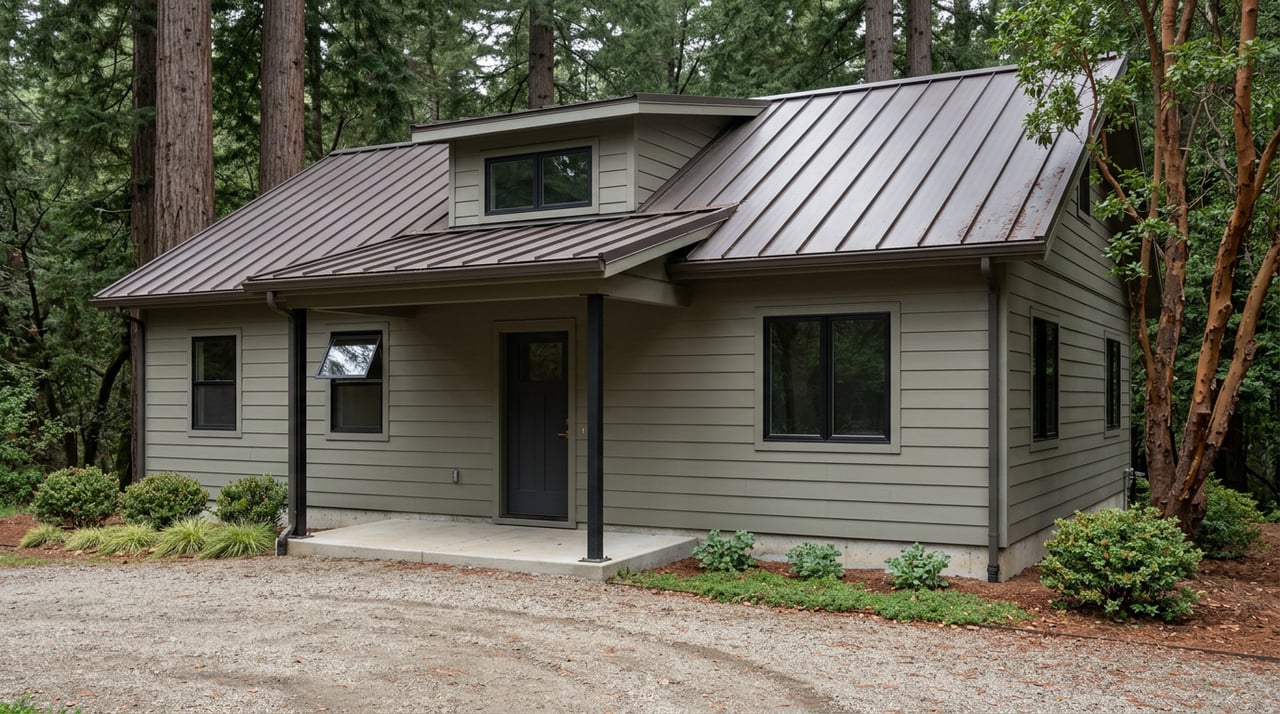
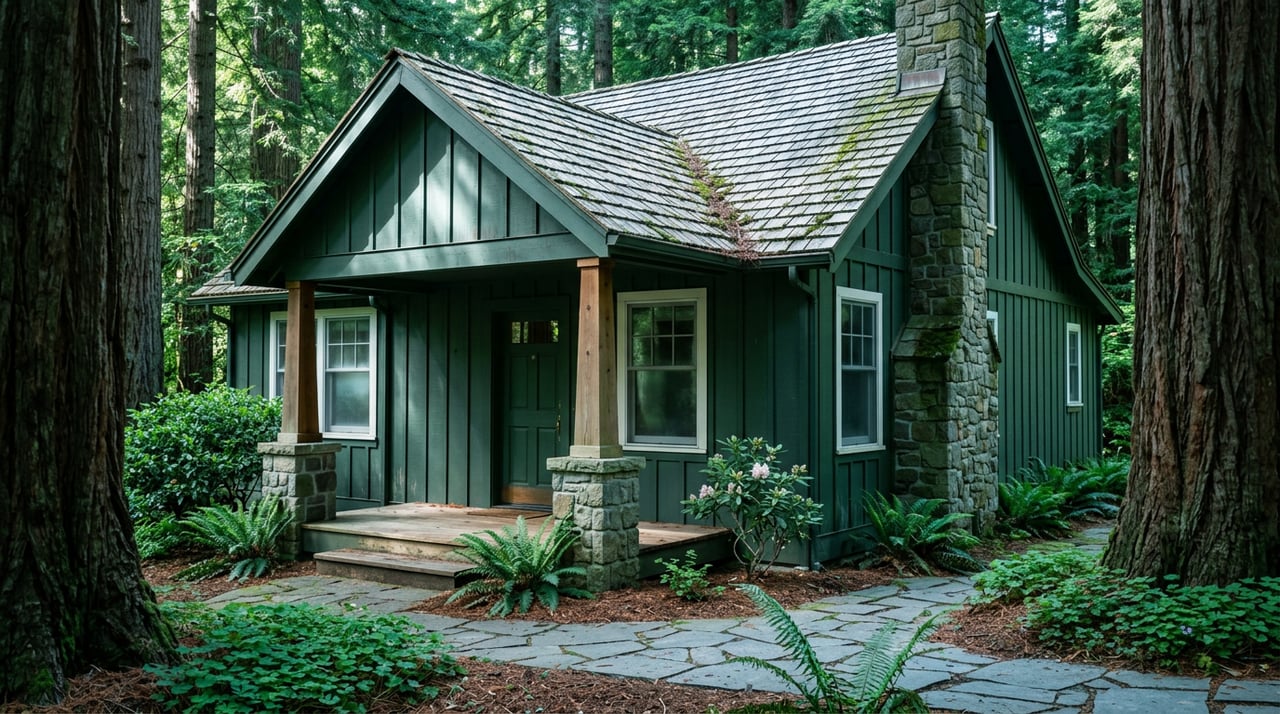
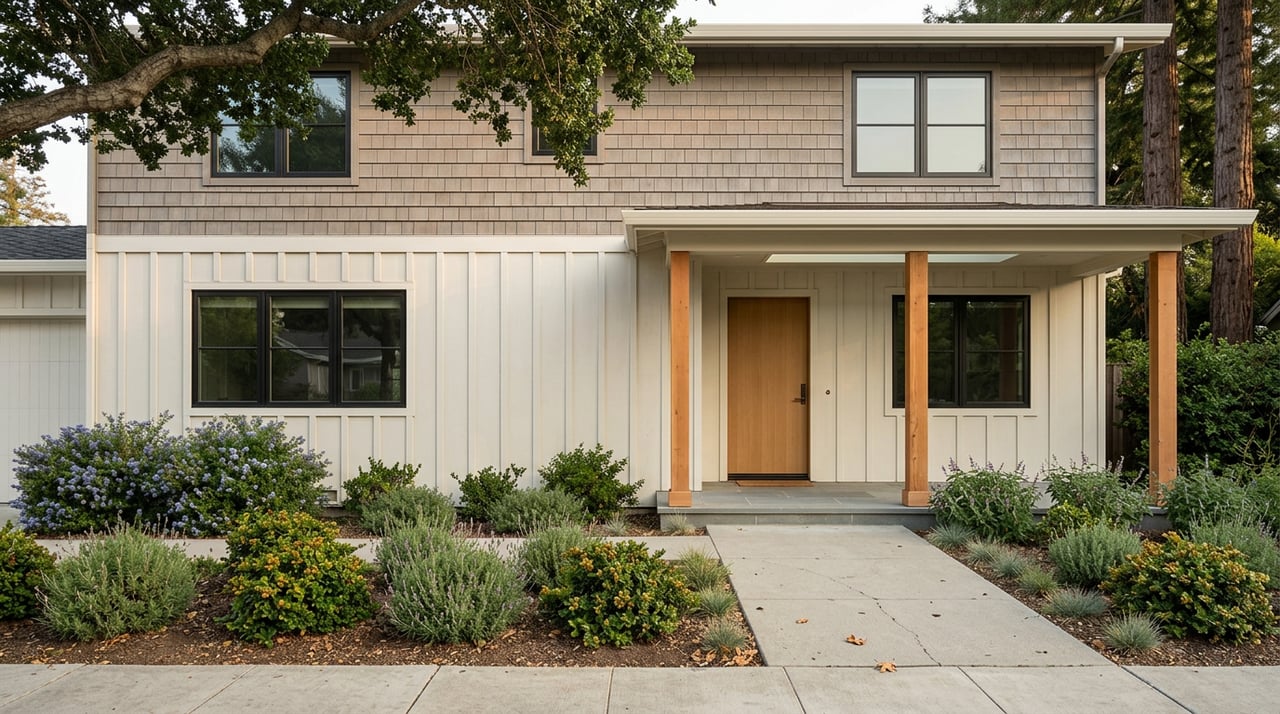
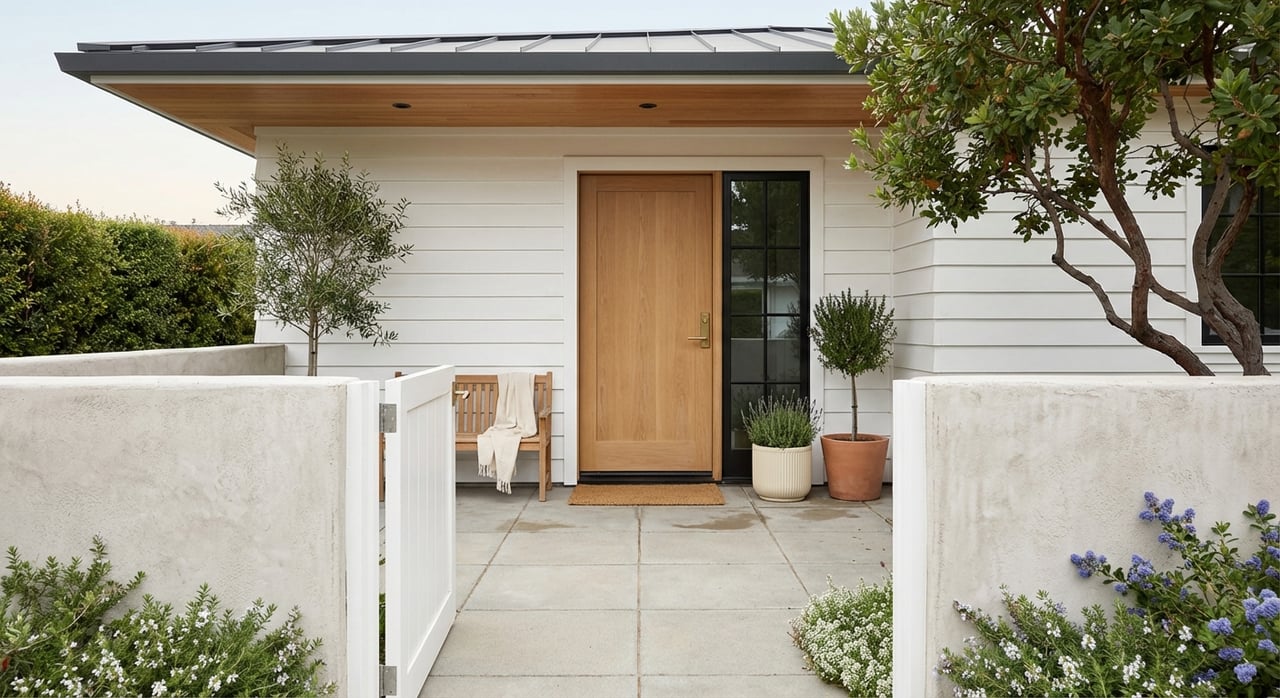
- Curb appeal and outdoor living: New front door or garage door, simple landscape clean-up, and staged decks or patios. Capitola listing patterns suggest fresh paint and landscape improvements often boost buyer interest (Capitola market trends).
Phase D: Stage for the coastal lifestyle
Staging helps buyers visualize daily life in the home and can speed sales. The National Association of REALTORS reports that staging improves buyer perception and can influence offers (NAR staging insights).
- Style: Keep it light and neutral with soft coastal accents. Avoid heavy nautical themes. Aim for a relaxed, clean look that reads well in photos.
- Photos: Book a pro, including golden-hour exteriors to capture light, views, and outdoor spaces. Ensure windows and railings are spotless to maximize view shots.
- Furnished vs. vacant: In Capitola Village, selective furniture can emphasize outdoor flow and compact spaces. Tailor the plan to your price tier and target buyer with guidance from your listing agent (NAR staging insights).
Phase E: Disclosures, permits, and buyer materials
Get your paperwork assembled early to reduce delays and renegotiations.
- Core forms: California requires a Transfer Disclosure Statement and a Natural Hazard Disclosure. Provide any known storm history and repairs as material facts. Review the statutory overview here: California Civil Code on TDS/NHD.
- Flood and coastal context: Confirm whether your parcel lies in a Special Flood Hazard Area using FEMA’s Flood Map Service Center. If your home is in the coastal zone, verify any coastal development permit history and Local Coastal Program requirements via the County’s Sea Level Rise project resources (County SLR project).
- Storms and public works: Buyers will ask about the January 2023 storm impacts and resiliency projects, including the Capitola Wharf. Keep dated records of any related repairs and reference current City updates when relevant (City of Capitola public works updates).
Coastal hazards and planning: set expectations
Santa Cruz County is advancing sea-level rise planning and updates to its Local Coastal Program. Rather than making long-range claims in your listing, point buyers to the County’s live resources for neighborhood-level vulnerability and modeling. Review the Sea Level Rise Vulnerability Assessment project page and story map for the latest maps and policy work.
If your home is near the Esplanade or Soquel Creek, flood zones and mitigation are common buyer questions. Verify your exact flood designation through FEMA’s Flood Map Service Center. The county’s hazard mitigation planning and National Flood Insurance Program participation may also be relevant if you have a history of claims or if repetitive-loss areas are nearby; see the local hazard mitigation plan overview for context (Santa Cruz County hazard mitigation plan).
Outdoor spaces that sell in Capitola
A few focused touches can make your outdoor areas shine in photos and showings.
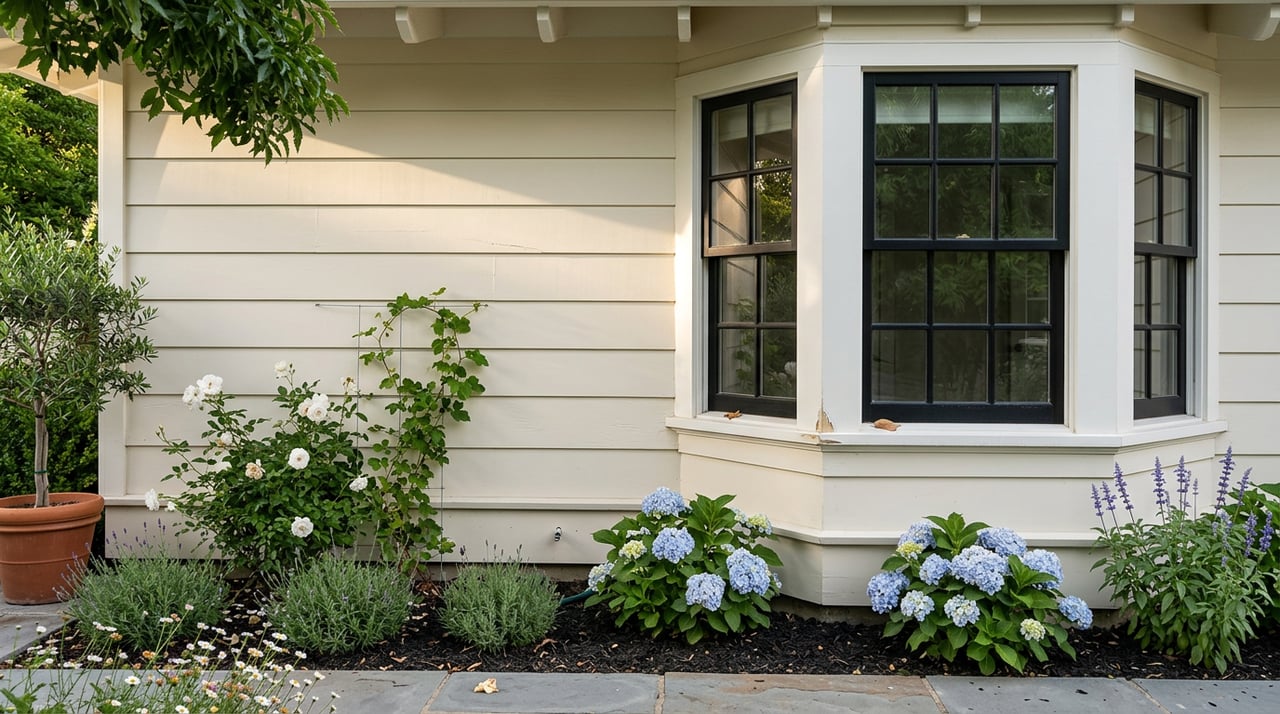
- Clean and define: Wash decks and railings, sweep sand from walkways, and edit furniture to open up traffic flow. Use simple potted, salt-tolerant plants for freshness without high maintenance.
- Materials that last: Where feasible, lean toward fiber-cement siding, composite decking, marine-grade stainless hardware, and UV-resistant fabrics. These choices read well to coastal-savvy buyers and are consistent with FEMA’s durability guidance.
- Accuracy in access: If your property has private or shared beach access, label it clearly in marketing and provide any recorded easement details. Avoid exaggerations and support claims with documents. The City’s wharf and shoreline updates can inform buyer perception; keep references current with City of Capitola updates.
Timeline and budget guide
Actual timing depends on scope and contractor availability. Use these planning ranges to stay on track.
- Typical prep timeline:
- 2 to 8 weeks for cosmetic refresh, light repairs, staging, and photography.
- 6 to 16+ weeks if structural work, coastal permits, or specialty trades are involved.
- Sequence work so safety and paint finish first, then staging and photos. For general cost-return signals on common projects, see Cost vs. Value, Pacific region.
- Typical staging and refresh costs:
- Staging consult or light staging: about $500 to $2,000.
- Full staging with rentals: roughly $1,500 to $6,000 depending on home size.
- Small cosmetic refreshes: about $1,000 to $10,000.
- Minor kitchen refresh: about $10,000 to $40,000 depending on selections and scope. For consumer-friendly context on staging budgets, review Bankrate’s cost overview.
Your pre-listing document checklist
Provide these items to your agent before you go live.
- Completed Transfer Disclosure Statement and Natural Hazard Disclosure (California Civil Code reference).
- Permit records and contractor invoices for significant work, including roof, deck, or shoreline-related repairs if applicable. Keep storm-related documentation organized alongside City of Capitola updates you may reference in conversations.
- Recent inspection reports and any specialist evaluations (structural, seawall, retaining wall), informed by FEMA coastal guidance.
- FEMA flood zone printout for your parcel (FEMA Flood Map Service Center).
- Photo log of repairs and receipts, plus your insurance claim history if applicable.
Pricing and timing with the market
Use current data to choose the right listing window and pricing strategy. Capitola’s median list price has recently hovered around $1,150,000 per Redfin’s local snapshot. Countywide single-family medians have been over $1 million in recent reports; check the Santa Cruz County Association of REALTORS monthly stats for the most up-to-date figures on pricing and days on market.
Work with a local, design-forward partner
Preparation drives results in Capitola. You will benefit from a partner who can sequence repairs, manage crews, and style your home for the way buyers shop today. With deep local knowledge and a design-led approach, Kathleen Manning coordinates end-to-end preparation through a vetted contractor network and delivers polished, Sotheby’s-caliber marketing. When you are ready to position your home for a standout coastal sale, let’s connect.
FAQs
What upgrades deliver the best ROI for Capitola sellers?
- Focus on neutral interior paint, curb appeal, minor kitchen refreshes, and key exterior updates like a new front door or garage door; Pacific-region Cost vs. Value data highlights that these projects often recoup a strong share of costs.
How do I check if my Capitola home is in a flood zone?
- Enter your exact address in FEMA’s Flood Map Service Center to confirm your zone and whether a Special Flood Hazard Area applies.
What disclosures are required for coastal homes in California?
- You must provide a Transfer Disclosure Statement and Natural Hazard Disclosure, plus known material facts like prior storm damage and repairs; see the California Civil Code overview.
Do I need to verify coastal development permits before listing?
- Yes, properties in the coastal zone may have coastal development permits or related conditions; confirm your permit history and consult the County’s Sea Level Rise and LCP resources.
Should I stage a small Capitola Village cottage?
- Light, scaled staging that emphasizes outdoor flow and view corridors often works well; staging supports buyer visualization and can speed sales per NAR’s staging insights.
How far in advance should I start prepping my Capitola home?
- Plan 2 to 8 weeks for cosmetic prep and staging, and 6 to 16+ weeks if structural work or permits are needed; sequence safety and paint before photos and staging, and refer to Cost vs. Value for project planning context.