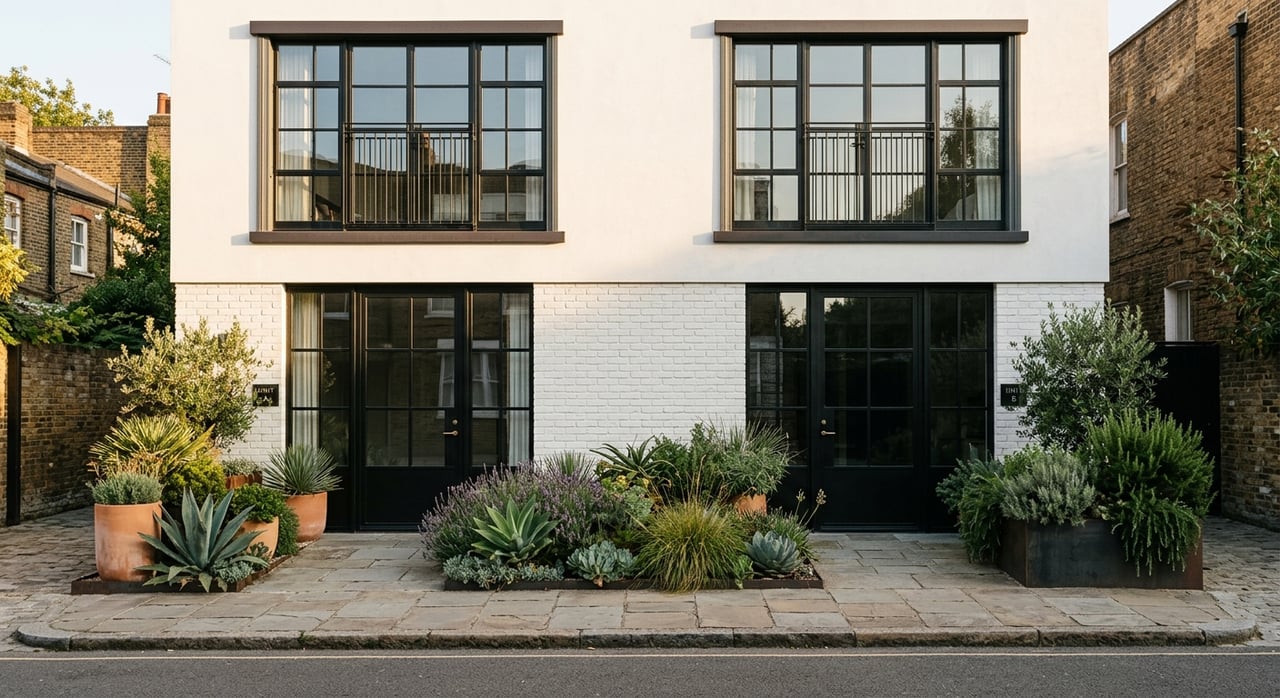
If you are looking at property in Greater Watsonville with an eye toward rental income, a home-based business setup, or a mixed-use future, the opportunity can be real, but so can the complexity. This is a market where tight vacancy, older housing stock, and parcel-specific constraints can change the numbers quickly. The good news is that with the right due diligence, you can spot where income and flex-use potential is strongest and avoid assumptions that cost time or money. Let’s dive in.
Why Greater Watsonville Stands Out
Watsonville offers a useful mix of demand drivers and practical pathways for income-producing or flexible-use property strategies. According to the city’s 2025 Consolidated Plan, Watsonville has 14,546 housing units, with 55.8% renter-occupied and about 3.2% vacancy. That renter-heavy profile matters if you are evaluating long-term rental demand or thinking about adding a second unit.
The same city plan identifies affordability as Watsonville’s most critical housing issue. It also notes a median household income of $75,064 and says 55% of households live in units built more than 35 years ago. For you as a buyer or owner, that means income potential should always be weighed alongside maintenance needs, rehabilitation costs, and reserve planning.
Where Income Potential Is Clearest
In Greater Watsonville, the strongest fit for income and flex-use opportunities usually falls into three categories:
- Downtown mixed-use property
- ADU or JADU additions on eligible residential parcels
- Select unincorporated county properties with home occupation or SB 9 potential
Each path has different rules, costs, and timelines. The key is matching your goals to the property’s actual zoning, site conditions, and review requirements.
Downtown Mixed-Use Opportunities
Watsonville’s Downtown Specific Plan, adopted in 2023 and amended in 2025, is designed to diversify land uses, encourage higher-density mixed-use residential projects, and support a pedestrian-friendly downtown environment. That makes downtown one of the clearest public planning pathways if you are exploring a property that could combine residential and commercial uses.
A related General Plan amendment adds Downtown Mixed Use and Downtown Central Core designations. In the Central Core, active ground-floor uses are required, while residential or office uses may be allowed above. In Downtown Mixed Use areas, residential uses can be allowed on the ground floor, which can create more flexibility depending on the parcel and proposed use.
That said, broad plan support is not the same as automatic approval. Watsonville’s Planning Division reviews proposed development, subdivisions, use permits, and design review for commercial and industrial projects, and it also handles business-license zoning clearance. If you are considering a storefront-residential combination, office-above-retail concept, or another flexible arrangement, you should confirm the exact permit path before you rely on a business plan.
What to confirm downtown
Before you move forward on a downtown property, verify:
- The parcel’s current zoning and plan designation
- Whether your intended use is allowed outright or requires review
- Parking and access requirements
- Design review standards
- Whether affordable housing rules apply to new development
- Any site-specific physical constraints that may affect feasibility
ADUs and JADUs for Added Income
For many homeowners, the most approachable income strategy is an accessory dwelling unit, or in some cases a junior accessory dwelling unit. Watsonville’s ADU page says ADUs and JADUs can be built on many residential properties, and the city specifically notes that one benefit is an income opportunity for homeowners. The city updated its ADU ordinance in July 2025 and codified it in Chapter 14-23 of the Zoning Code.
That creates a meaningful option if you are buying a home with extra yard area, a garage conversion possibility, or an existing layout that may support a compliant addition. In practice, though, “many residential properties” does not mean every parcel works equally well. Utility connections, lot layout, setbacks, parking, and other parcel-specific factors still matter.
If you are looking just outside city limits in unincorporated Santa Cruz County, the county also supports ADUs, though the rules are evolving. The county says ADUs are not counted in density calculations, and allowable units depend on zoning and gross site area within urban and rural services lines. The county also offers free pre-designed ADU plans and free technical assistance for qualifying homeowners, which can help reduce early planning friction.
Why ADUs appeal to owner-occupants
An ADU or JADU can support several goals at once:
- Offset monthly ownership costs with rental income
- Create flexible space for long-term household needs
- Improve the utility of a property without pursuing a larger project
- Add value through a more functional site layout
The right fit depends on the parcel, your timeline, and how much upfront capital you want to invest.
SB 9 and Home Occupation in County Areas
For eligible single-family lots in unincorporated Santa Cruz County, SB 9 may open another path. The county says its implementing ordinance is in effect countywide and can allow up to four units on an eligible single-family lot or a split of an eligible lot into two parcels. For buyers thinking longer term, that can make certain county properties worth a closer look.
Still, SB 9 is not a shortcut. The county says projects must meet objective standards, comply with sewer or septic requirements, and cannot demolish housing that was occupied by a tenant in the last three years or was subject to rent or price control. If a rental unit is created, it must be a long-term rental.
For lighter-touch flexibility, county home occupation rules may allow some income-producing activities from a residence. Those rules are subject to limits on employees, floor area, parking, and signage. If you are a small-business owner hoping to combine homeownership with a low-impact business use, this can be worth exploring on a parcel-by-parcel basis.
Live-Work Is Not One-Size-Fits-All
Many buyers ask about live-work property, but in Greater Watsonville, that term should be treated carefully. The clearest public pathways are downtown mixed use within Watsonville and home occupations on some county residential parcels. Outside of those settings, you should not assume a property can be marketed or used as live-work without planning confirmation.
This is especially important if your purchase depends on a future use change or a second income stream. A property may look ideal on paper, but if parking, access, use classification, or physical constraints do not line up, the flexibility you expected may be limited.
The Real Return Is More Than Rent
When buyers first evaluate income property, it is easy to focus on projected rent. In Watsonville, that is only part of the story. The city’s renter-heavy occupancy and low vacancy suggest durable demand, but the city also points to older housing stock, affordability pressures, and development constraints that can affect feasibility and operating costs.
In practical terms, your underwriting should account for more than top-line income. Vacancy assumptions, rehab reserves, entitlement timing, and compliance costs can matter just as much as projected monthly rent. That is especially true for older duplexes, small multifamily buildings, value-add opportunities, or sites that may need environmental or planning review.
Cost factors to keep in mind
Watsonville says development costs can be affected by:
- Market conditions
- Environmental and physical constraints
- Zoning
- Fees
- Code requirements
The city specifically identifies wetlands, sloughs, the Pajaro River, agricultural fields, and geologic or flood hazards as factors that can raise costs and reduce feasibility. If you are looking at a site with redevelopment, expansion, or added-unit potential, these conditions can meaningfully affect your timeline and budget.
What to Do Before You Buy
The smartest move is to treat income or flex-use potential as a due diligence question, not a selling feature to accept at face value. This is where early planning review can protect both your capital and your expectations.
Santa Cruz County encourages pre-application consultation before you buy or invest in full plans. The county also notes that early information on feasibility and applicable codes can reduce delays and save money. For more complex projects, the Development Review Group process and pre-development site review can help flag environmental or site constraints before you spend heavily on design.
Watsonville’s Planning Division is also an important early stop for city properties. If your strategy depends on a mixed-use layout, design review, business-license zoning clearance, or other entitlement questions, it is wise to confirm the path before you close.
Your pre-purchase checklist
Before you commit to a property, ask for clarity on:
- Zoning and allowed uses
- ADU, JADU, or SB 9 eligibility
- Parking and access standards
- Sewer or septic requirements
- Flood, riparian, slope, geologic, or habitat constraints
- Whether design review or use permits may be required
- Likely rehab needs and reserve planning for older structures
- Whether affordable housing rules apply to new development
Why Local Guidance Matters
Income and flex-use properties often look straightforward until you get into the details. In Greater Watsonville, those details may involve land use rules, physical site constraints, older improvements, or a layered review process. This is exactly where local market knowledge and organized due diligence can make a meaningful difference.
If you are evaluating a downtown mixed-use opportunity, a home with ADU potential, or a more complex parcel in the county, it helps to work with someone who understands how site characteristics and long-term usability affect value. Clear communication, strong planning around next steps, and disciplined review can help you move forward with confidence.
Whether you are buying, selling, or trying to understand a property’s highest and best use, Kathleen Manning brings deep Santa Cruz County experience, detail-oriented guidance, and a calm, thoughtful approach to complex real estate decisions.
FAQs
Can I add an ADU or JADU in Watsonville?
- On many residential parcels, yes, but you should confirm current city rules and parcel-specific factors such as layout, setbacks, utilities, and access before you assume it will work.
Can I buy a mixed-use property in downtown Watsonville?
- Downtown planning documents support mixed-use development, but the exact mix of residential, office, or commercial use depends on the parcel’s designation, zoning, and project review requirements.
Can I use a Watsonville-area property as live-work space?
- Possibly, but live-work should be treated as parcel-specific. The clearest public pathways are downtown mixed use in Watsonville and some home occupation options in unincorporated Santa Cruz County.
What should I review before buying an income property in Greater Watsonville?
- Focus on zoning, allowed uses, parking, sewer or septic, flood or habitat constraints, likely rehab needs, and whether permits or planning review will be required.
Does low vacancy in Watsonville automatically mean a good investment?
- Not by itself. Low vacancy can support rental demand, but your return also depends on reserves, renovation costs, entitlement time, compliance costs, and the property’s physical and legal constraints.
Does SB 9 apply to county property near Watsonville?
- On eligible single-family lots in unincorporated Santa Cruz County, it may. You should verify lot eligibility, objective standards, utility requirements, and rental restrictions before relying on that potential.